
Some choices in life seem small at the time, but they can quietly shape how we live day after day. Picking a car that fits the family just right. Choosing the coffee maker that saves you five minutes each morning. Or deciding on a new water heater that affects every shower, dish load, and laundry cycle in your home.
Your water heater might not be the most exciting appliance in the house, but it’s one of the hardest-working. It keeps things running smoothly and comfortably behind the scenes. If you’ve been thinking about replacing yours, the question of gas vs. electric water heaters has probably come up. Both types do the same job, but they do it in different ways.
Understanding those differences can help you make a choice that fits your household, budget, and lifestyle for years to come.
Getting to Know Gas and Electric Water Heaters
Before you start shopping, it helps to understand what makes these systems unique. Both heat water for your sinks, showers, and appliances, but they go about it differently.
Gas Water Heaters
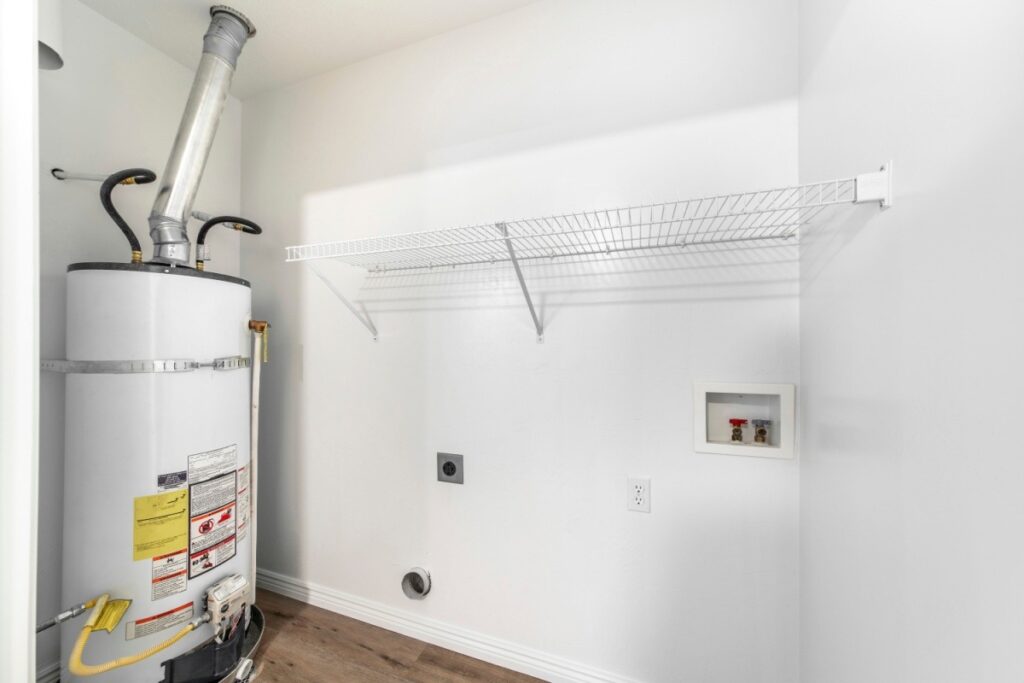
A gas water heater runs on natural gas or propane. It uses a burner located beneath the tank to heat the water. This setup allows it to warm water quickly, which can be a big advantage if your family tends to use a lot of hot water at once.
Electric Water Heaters
An electric water heater, on the other hand, uses electrical heating elements that sit inside the tank. They slowly heat the water as it fills, which takes a little more time but doesn’t require ventilation or a gas line. These units are usually easier to install and can fit in places where a gas model might not work.
Both options provide reliable hot water. The best one for your home depends on your space, energy availability, and how much hot water your household uses.
Comparing Costs: Upfront Price vs. Long-Term Expense
One of the most common questions homeowners ask when comparing gas vs. electric water heaters is which one costs less. The answer depends on how you look at it.
Electric models tend to have a lower upfront price and are generally easier to install. They don’t require special venting or a gas line, which helps keep initial costs down. The tradeoff is that electricity often costs more than natural gas, so your monthly energy bills might be higher.
Gas models usually cost a bit more to install, especially if you need a new gas line. However, natural gas prices are usually lower than electricity rates, so you could save money over time.
To get a full picture, you’ll want to consider both the purchase price and the ongoing energy cost. If your family uses a lot of hot water, the faster recovery rate and lower energy cost of a gas heater might be a better deal in the long run. If your home is smaller or your hot water needs are modest, an electric water heater could be the more economical choice.
Performance and Efficiency
Performance plays a big role in choosing between gas vs. electric water heaters. Gas models tend to heat water faster, making them ideal for larger families or homes where multiple showers and laundry cycles happen close together. The flip side is that gas heaters lose some heat through their exhaust system, which slightly reduces their energy efficiency.
Electric heaters are slower to heat water, but they’re more efficient overall because they don’t lose energy through venting. Every bit of power goes straight into heating the water.
Maintenance and Lifespan
A little maintenance goes a long way in keeping your water heater running well. Fortunately, both gas and electric models can last ten to 15 years when properly cared for.
Gas heaters have more parts that need attention, such as the pilot light, burner, and venting system. These components can collect soot or debris, so regular inspections are important to keep things running safely.
Electric water heaters are simpler in design, with fewer moving parts. They usually require less maintenance, though hard water can still cause mineral buildup inside the tank. Flushing the tank once or twice a year helps prevent problems for both types.
If you prefer a system that needs minimal upkeep, an electric model may appeal to you. If you’re comfortable with occasional maintenance for faster heating performance, a gas unit can still be an excellent choice.
Installation and Space Requirements
The installation process can sometimes make the decision easier. If your home already has a gas line and venting, setting up a gas heater can be straightforward. If not, installing those utilities adds cost and time to the project.
Electric water heaters are generally easier to install and can be placed almost anywhere with an electrical connection. They don’t require venting, so they’re often used in apartments, condos, or homes without gas access.
Another factor is space. Electric units often have more flexible placement options since they don’t need clearance for exhaust vents. Gas units need ventilation and should be placed in well-ventilated areas. Thinking about where your current water heater sits and what type of hookups are already in place can help you decide which option makes the most sense.
Safety Considerations
Every homeowner values safety, and both gas and electric models have their own considerations. Gas water heaters require proper ventilation to safely release exhaust gases, including carbon monoxide. They should always be installed and serviced by licensed professionals to prevent gas leaks or ventilation issues.
Electric heaters don’t produce combustion gases, which eliminates that particular concern. However, they depend entirely on electrical components, so correct wiring and grounding are essential to prevent short circuits or tripped breakers.
Both are very safe when installed correctly. The key is professional installation and routine maintenance — something that local plumbing experts, like those at Dan’s Drain Services, specialize in.
Which Water Heater Is Best for Your Family?
Homeowners often wonder which water heater is best, but the truth is that both can serve you well depending on your home’s setup and lifestyle.
If your household uses large amounts of hot water throughout the day, a gas water heater might suit you better because of its quick heating power. If you have a smaller home or want something easier to maintain, an electric model could be your winner.
The right choice also depends on your long-term plans. If you plan to stay in your home for many years, investing in a more energy-efficient option could save you money down the road. If you might move soon, the convenience and lower upfront cost of an electric model might be more appealing.
How to Compare Water Heater Types
Before making a purchase, it helps to compare water heater types side by side and think through a few key questions:
- What kind of energy is most affordable in your area? Energy costs vary, and local utility rates can make a big difference in long-term savings.
- How much hot water do you actually use? A family of five may need a faster-heating gas unit, while a couple might do just fine with an electric one.
- Do you already have a gas line installed? If not, adding one could increase installation costs.
- How much space do you have for the unit? Electric models fit into smaller or tighter areas, while gas heaters require more room for ventilation.
Answering these questions helps narrow the field and find the best water heater for your specific situation.
Schedule Your Water Heater Service With Dan’s Drain Services
If your current water heater has been showing signs of age, it might be time to consider an upgrade. Choosing between gas vs. electric water heaters is easier with expert help, and our team is ready to guide you every step of the way.
Dan’s Drain Services proudly serves homeowners in Medina, OH, and the nearby areas with reliable, honest plumbing support. We’ll assess your household needs, help you compare water heater types, and recommend the system that fits your lifestyle best.
Call us today to schedule your water heater services! A little guidance now can make a big difference in your family’s comfort for years to come.
